

Read Useful Articles
The articles are sorted chronologically and by topic. Enter the topic in the Search bar above for specific interests.
Learning in School
-

Connecting Youth, Families, and Communities: The Region D1 Transition Learning Collaborative (TLC)
The transition from high school to adulthood can bring excitement, opportunities, and many questions. The Region D1 Transition Learning Collaborative (D1 TLC) connects youth with…
-

Who’s Who on the IEP Team
The IDEA requires that certain individuals be included in the IEP team, and their input is valuable in creating a plan that addresses the unique…
-

Pathways to Support: Where to Begin If Your Child Receives Services Through Early Support for Infants and Toddlers (ESIT)
As your child approaches age 3, planning begins for what services may come next. If your child receives services through Washington’s Early Support for Infants…
-

Preparing for Productive and Effective Conversations with Education and Service Providers
Here are our top three tips for making every conversation with your child’s IFSP or IEP team an opportunity to show them what makes your…
-

Common Accommodations and Modifications in an IEP For 3-5 year old’s
Accommodations and modifications for 3-5-year-olds should be tailored to meet the unique needs of each child. These young children may have various developmental, cognitive, and…
-

Differences Between Part B and Part C Services
The Individualized Family Service Plan (IFSP) ends when a child turns 3. Transitioning to a services under an Individualized Education Program (IEP) requires a new…
-

What to Expect at the Transition Conference: Going from Part C to Part B
You can utilize this document when preparing for the transition planning process to collect essential Part C data that will be taken into account during…
-

Sample Letter to the IEP Team – Today Our Partnership Begins
This sample letter introduces a child to members of the IEP team by highlighting their strengths and individual personality, while also providing strategies and information…
-

Your Child has Met the Eligibility for an IEP – Preparing for the IEP Meeting
Use this checklist to prepare for the meeting to discuss special education and related services with your child’s IEP team. What the checklist looks like:
-

Educational Program Options for Children Aged 3-5 Years Old
Inclusion Preschool Programs Inclusion preschools, sometimes called developmental preschools, are special classes in the school district for children aged 3 to 5 with special needs.…
-

Communication Log
Maintaining a clear record of who said what and when is simplified with a school communication log. This tool streamlines the organization and retrieval of…
-

Special Education Terms
Glossary of Terms Alternative Dispute Resolution (ADR): also known simply as dispute resolution or procedural safeguards; options for resolving disagreements between parents and school districts;…
-

Special Education Frequently Asked Questions
How do I know if my child has a developmental delay? If you suspect that your child might have a developmental delay, you should talk…
-

Abbreviation Cheat Sheet
*Adapted from OSEP’s complete list of acronyms Washington State Specific Terms Military Terms
-

Steps to Read, Develop, and Understand an IEP Worksheet
The IEP document is a lot to absorb. You will be better prepared to support your child when you review the IEP draft before meeting…
Parent & Family
-

Respiratory Health Winter Update
Washington State is experiencing an overwhelming number of children and babies being hospitalized for respiratory diseases. The CDC has issued a Health Advisory for the…
-
Connecting Youth, Families, and Communities: The Region D1 Transition Learning Collaborative (TLC)
The transition from high school to adulthood can bring excitement, opportunities, and many questions. The Region D1 Transition Learning Collaborative (D1 TLC) connects youth with…
-

Supplemental Security Income (SSI)
Supplemental Security Income (SSI) is a monthly financial payment made to persons meeting specific eligibility requirements defined by the Social Security Administration (SSA). A Brief…
-

Exceptional Family Member Program (EFMP), Part 1: What Makes a Military Family Exceptional?
A Brief Overview Full Article The Exceptional Family Member Program (EFMP) is a mandatory program for all branches of the U.S. Armed Forces that helps…
-

Ages 3-5 Transition Toolkit
Ages 3-5 Transition Toolkit A Guide to Washington Services for 3-5 Year Olds with Disabilities New parents have a lot to manage. Concern about whether…
-
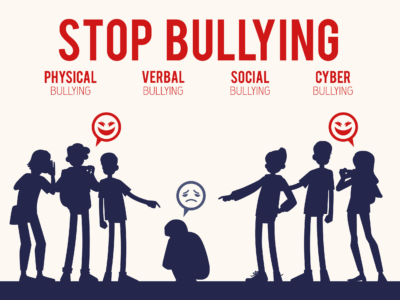
Bullying at School: Resources and the Rights of Students with Special Needs
This article includes: Information that you can view, download, and print Bullying can affect a child’s safety, well-being, and ability to learn. Student with disabilities…
-

Get Ready for School with IEP Essentials
This article includes: Information that you can view, download, print and watch Every student deserves a strong start to the school year. For families of…
-
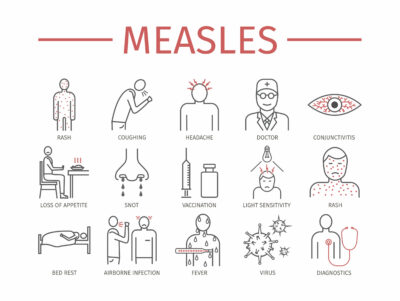
Measles, Childhood Immunizations, and Washington State
Overview: Full Article: Prior to the COVID-19 outbreak in 2019, Washington State experienced several large outbreaks of measles. Why is that an issue? Measles is…
-

New Funding for Children and Youth Behavioral Health Respite
A Brief Overview Article In 2026, respite care for family caregivers of children and youth with behavioral health needs was approved by the Centers for…
-

Stay Informed: The Latest U.S. Department of Education and Disability Rights
The landscape of special education continues to evolve, making it more important than ever for families, educators, and advocates to stay informed. PAVE will share…
-

Parents, Navigate Adapted Physical Education, IEPs, and 504 Plans
Physical Education (PE) is part of school for all students and may be particularly important for your student with a disability. What are the ways…
-

Keeping Kids Busy Through Summer: Summer Camp Alternatives
Summer camp is an excellent way for children to spend the long summer days. However, camps often fill quickly, and many are too expensive for families. Here are some alternatives to summer…
-

I Have to Sign What? Healthcare in Transition
When young people turn 18, a lot happens. For instance, in Washington State, 18 is the age when a person legally becomes an adult and…
-

Insurance in Healthcare Transition
Healthcare transition, like all other aspects of transitioning to adult community living, employment, and services, can be difficult. However, if teenagers and families plan ahead…
-

Autism Spectrum Disorder: Information and Resources for Families
Autism spectrum disorder can affect how a person talks, learns, and relates to others, and every individual is different. Families can learn about early signs,…
Military Families
-
Supplemental Security Income (SSI)
Supplemental Security Income (SSI) is a monthly financial payment made to persons meeting specific eligibility requirements defined by the Social Security Administration (SSA). A Brief…
-
Exceptional Family Member Program (EFMP), Part 1: What Makes a Military Family Exceptional?
A Brief Overview Full Article The Exceptional Family Member Program (EFMP) is a mandatory program for all branches of the U.S. Armed Forces that helps…
-

Purple Up! Celebrating the Month of the Military Child
April, the Month of the Military Child, celebrates military-connected children and youth. They show an ability to adapt in the face of unique challenges. They…
-

Respite Offers a Break for Caregivers and Those They Support
Respite offers a short-term break for caregivers and those they support. This article provides information and resources to get started seeking respite services. Resources and…
-

Help for Military Families: Tips to Navigate Special Education Process in Washington State
For families new to Washington State, this article includes state-specific information about special education systems. PAVE wants to extend a warm welcome to your entire family…
-

School Support Plans for Deployment-Tips for Parents
When a military parent deploys, children—especially those with disabilities—may show changes in behavior, emotions, or learning. With the right support at home and school, these…
-

Five Tips for a Smooth PCS
Planning ahead and staying organized can make a military move much smoother, especially for families with children who have special needs. These key strategies and…
-

Military Interstate Children’s Compact Commission (MIC3), Part 3: How the Compact Protects Academic Progress toward Graduation
The Military Interstate Children’s Compact Commission (MIC3, pronounced “mick three”) is the more commonly used name for the Interstate Compact on Educational Opportunities for Military…
-

Glossary of Terms for Future Planning
Legal Documents Letter of intent: a personal document expressing your wishes for your child which are not included in the will. It has no legal…
-

Medicaid Waiver Benefits for Military Families
When considering medical benefits for family members with special needs, military families often overlook Medicaid, a health benefits program established by federal law. Medicaid covers…
-

Exceptional Family Member Program (EFMP), Part 2: How Does EFMP Benefit Military Families?
A Brief Overview Full Article The Exceptional Family Member Program (EFMP) is a mandatory program for all branches of the U.S. Armed Forces that helps…
-

Military Interstate Children’s Compact Commission (MIC3), Part 2: Supporting Appropriate Placement and Inclusion of Military Families
A Brief Overview Full Article The Military Interstate Children’s Compact Commission (MIC3, pronounced “mick three”) is the more commonly used name for the Interstate Compact…
-

Military Interstate Children’s Compact Commission (MIC3), Part 1: The Impact of MIC3 on Military Families
A Brief Overview Full Article The Interstate Compact on Educational Opportunities for Military Children was created to provide a smooth transition for military children as…
-

Disability Redetermination: What Happens to Supplemental Security Income (SSI) When a Child Turns 18?
A Brief Overview Full Article As a continuation to our article, Supplemental Security Income (SSI) is a monthly financial benefit from the Social Security Administration…
-

MIC3 Step-by-Step Checklist-Resolve School Issues with the Interstate Compact
This resource shows you specific steps to take to resolve school issues for your child, using the Interstate Compact on Educational Opportunity for Military Children. …
Health & Wellness
-

Open Enrollment 2026
Open enrollment is here. It’s the period when you can sign up for or change your medical coverage. Medicaid has changed. There is no longer…
-
Respiratory Health Winter Update
Washington State is experiencing an overwhelming number of children and babies being hospitalized for respiratory diseases. The CDC has issued a Health Advisory for the…
-

What Doctors Need to Hear From Family Caregivers
This article includes: Information that you can view, download and print This article is for people who are the primary, regular caregiver for an adult…
-
Measles, Childhood Immunizations, and Washington State
Overview: Full Article: Prior to the COVID-19 outbreak in 2019, Washington State experienced several large outbreaks of measles. Why is that an issue? Measles is…
-
New Funding for Children and Youth Behavioral Health Respite
A Brief Overview Article In 2026, respite care for family caregivers of children and youth with behavioral health needs was approved by the Centers for…
-

Camps for Individuals with Disabilities
It’s that time of year! Registration for summer camps usually open January through March. Camp dates tend to fill up fast, so we offer a…
-

Disability and Sexual Health Education
Washington’s Comprehensive Sexual Health Education helps all students learn about their bodies, relationships, and sexual health through age-appropriate, inclusive curriculum. A Brief Overview Introduction Parents…
-
Parents, Navigate Adapted Physical Education, IEPs, and 504 Plans
Physical Education (PE) is part of school for all students and may be particularly important for your student with a disability. What are the ways…
-
I Have to Sign What? Healthcare in Transition
When young people turn 18, a lot happens. For instance, in Washington State, 18 is the age when a person legally becomes an adult and…
-
Insurance in Healthcare Transition
Healthcare transition, like all other aspects of transitioning to adult community living, employment, and services, can be difficult. However, if teenagers and families plan ahead…
-

Asking for Help is a Selfless Act for Family Caregivers
Many family caregivers find it difficult to ask for help, but it’s not good for either the caregiver or the person they care for. Getting…
-

Kinship Families: Early Intervention, Special Education, and 504 Plans
Kinship families are created when a relative or close family friend raises a child or children when parents can’t. The relative or friend is often referred to as…
-

Graduating from NICU: The Joy and Anxiety Finding Your Way to Baby’s Norm
Coming home from the hospital with your baby can be both a joyous and potentially uncertain event, especially for families whose child is graduating from…
-

Understanding the impact of Whooping Cough, the Flu, and COVID in Washington
Since the COVID shutdown ended, flu season has become increasingly hard on young children. Influenza A and B, as well as RSV (Respiratory Syncytial Virus),…

Youth
-
Connecting Youth, Families, and Communities: The Region D1 Transition Learning Collaborative (TLC)
The transition from high school to adulthood can bring excitement, opportunities, and many questions. The Region D1 Transition Learning Collaborative (D1 TLC) connects youth with…
-
Special Education Terms
Glossary of Terms Alternative Dispute Resolution (ADR): also known simply as dispute resolution or procedural safeguards; options for resolving disagreements between parents and school districts;…
-
Abbreviation Cheat Sheet
*Adapted from OSEP’s complete list of acronyms Washington State Specific Terms Military Terms
-

Level Up Your Social Media Game: Digital Safety Tips for Youth and Young Adults with Disabilities
Social media has both benefits and disadvantages. To use social media safely and effectively, it’s important to practice digital safety and self-awareness. This guide teaches…
-

Defining your Social Media Game Plan: #Goals
Thinking about how you use social media and screens can help you make better choices for your mind, body, and relationships. When you take time…
-
Bullying at School: Resources and the Rights of Students with Special Needs
This article includes: Information that you can view, download, and print Bullying can affect a child’s safety, well-being, and ability to learn. Student with disabilities…
-

Choosing Colleges for Success: Finding Schools That Pay Attention
The Individuals with Disabilities Education Act (IDEA) does not apply to education after high school, but Section 504 (“504 plans”) and the Americans with Disabilities…
-

Life After High School: Tools for Transition
Planning for life after high school doesn’t happen all at once—it takes thoughtful coordination and clear next steps. With the right tools and support, students…
-
Stay Informed: The Latest U.S. Department of Education and Disability Rights
The landscape of special education continues to evolve, making it more important than ever for families, educators, and advocates to stay informed. PAVE will share…
-
I Have to Sign What? Healthcare in Transition
When young people turn 18, a lot happens. For instance, in Washington State, 18 is the age when a person legally becomes an adult and…
-
Insurance in Healthcare Transition
Healthcare transition, like all other aspects of transitioning to adult community living, employment, and services, can be difficult. However, if teenagers and families plan ahead…
-

School to Adulthood: Planning for Life after High School
For families supporting a young person with a disability, it’s never too soon to begin planning for the years after high school. Post-secondary transition planning…
-

ABLE: An Account to Overcome the SSI Resource Limit for Adults with Disabilities
Living with a disability can be challenging, especially with financial limitations. The Stephen Beck Jr. ABLE Act of 2014 allows individuals with disabilities to save…
-

Kinship Caregiving
Relatives raising the child(ren) of a family member (Kinship Families) Kinship families are families in which children live with and are being raised by grandparents,…
-

My Family’s Sensory and Adaptive Needs for the Holidays
The holidays are a fun and festive time that often includes lots of change in schedules, foods, bright lights, loud unexpected sounds, new people, and…