
Read Useful Articles
The articles are sorted chronologically and by topic. Enter the topic in the Search bar above for specific interests.
Learning in School
-

Sample Letter to Request Evaluation
Anyone with knowledge of a student may request a special education evaluation, and Washington State law requires that referrals be made in writing. Schools must…
-

Childcare-What to Know When Your Child has a Disability
When a parent or family caregiver needs care for their child with a disability, finding safe, appropriate, and affordable care will be a priority. There…
-

School Support Plans for Deployment-Tips for Parents
When a military parent deploys, children—especially those with disabilities—may show changes in behavior, emotions, or learning. With the right support at home and school, these…
-

Your Personal Roadmap: Students’ Guide to the High School & Beyond Plan
Washington State requires all students to build a future-focused plan starting in middle school that can be tailored to match their goals and strengths. When…
-

Tips to Help Parents Reinforce Positive Behaviors at Home
Changes in routine, especially during school breaks, can be challenging for families, but using Positive Behavioral Interventions and Supports (PBIS) at home can help create…
-

Understanding Epilepsy: Facts, History, and Support
Epilepsy is a brain condition that causes people to have seizures. There are many different types of seizures, and each person’s experience with epilepsy can…
-

Attention Students: Lead your own IEP meetings and take charge of your future
If you are a student with an Individualized Education Program (IEP), read this article to find out how you can be a leader on your…
-

ESY Helps Students Who Struggle to Maintain Skills and Access FAPE
With summer approaching, parents may worry about their child’s progress being disrupted. They can request a meeting with the IEP team to review progress and…
-

The Power of Data: Shaping IEPs and 504 plans for Student Success
Data plays a crucial role in special education, helping teachers, parents, and support teams create effective learning plans for students with disabilities. By understanding data,…
-

Getting to Know the Individualized Family Service Plan (IFSP)
The Individualized Family Service Plan (IFSP) is an essential tool designed to support infants and toddlers with developmental delays or disabilities. This guide provides a…
-
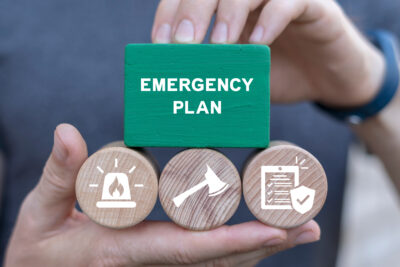
Ensuring Safety and Inclusion: Adding an Emergency Action Plan to the IEP or 504 Plan
Emergency Action Plans are crucial for ensuring the safety of students with disabilities during crises like earthquakes, fires, or active shooter events. These plans should…
-

Beyond School Walls: A Guide to Homeschooling in Washington State
Homeschooling is a popular and flexible educational option for many families. “Home-based instruction” (HBI), as it’s referred to in Washington State law, must meet specific…
-

Simple Instructions on How to Get Help From PAVE!
How to Get Help from PAVE (Simple Instructions) This page shares a short video that shows how to request help from PAVE. If you prefer…
-

Early Intervention: How to Access Services for Children Birth to 3 in Washington
New parents often worry about their child’s growth and development, especially when comparing with other children. Early intervention can be crucial for children with developmental…

Parent & Family
-

School Services That Can Be Billed to Medicaid
Brief Overview: Full Article Individualized services that children receive through their IEP or IFSP may be covered by Medicaid. Medicaid will pay for health-related services…
-

LGBTQ+ and Disability Rights in School
A Brief Overview Full Article LGBTQ+ is an acronym that stands for lesbian, gay, bisexual, transgender, queer (or sometimes questioning), and others. The “plus” represents other…
-

Apple Health for Kids: Medicaid and Children’s Health Insurance Program (CHiP) in Washington State
Overview Where to apply or find more information about Apple Health for Kids: Full Article In Washington State, Medicaid, which includes the Children’s Health Insurance…
-

7 Factors Linked to Post – High School Success
These factors can offer valuable guidance for current high school students with disabilities, their families, and educators. By focusing on these areas, students with disabilities…
-

Glossary of Terms for Future Planning
Legal Documents Letter of intent: a personal document expressing your wishes for your child which are not included in the will. It has no legal…
-

Self-Advocacy: Becoming an Active Member in Your Community
Brief overview: If you have ever defended your rights or the rights of other people, you were acting as an advocate. Self-advocacy means taking responsibility…
-

What Will Happen When We’re Gone? Planning for the Future for Your Child with Disabilities, Part 2: Age 13 through Adulthood
Overview: Full Article Thinking about the future when you will no longer be available to help your child because of death or a condition where…
-

What Will Happen When We’re Gone? Planning for the Future for Your Child with Disabilities, Part 1: Ages Birth to 12
Overview: Full Article Thinking about the future when you will no longer be available to help your child because of death or a condition where…
-

Home for the Holidays: The Gift of Positive Behavior Support
A Brief Overview Full Article Holidays can be challenging for families impacted by disability, trauma, grief, economic struggles, and other stressors. The holiday season has…
-

Medicaid Waiver Benefits for Military Families
When considering medical benefits for family members with special needs, military families often overlook Medicaid, a health benefits program established by federal law. Medicaid covers…
-

Exceptional Family Member Program (EFMP), Part 2: How Does EFMP Benefit Military Families?
A Brief Overview Full Article The Exceptional Family Member Program (EFMP) is a mandatory program for all branches of the U.S. Armed Forces that helps…
-

Military Interstate Children’s Compact Commission (MIC3), Part 2: Supporting Appropriate Placement and Inclusion of Military Families
A Brief Overview Full Article The Military Interstate Children’s Compact Commission (MIC3, pronounced “mick three”) is the more commonly used name for the Interstate Compact…
-

Military Interstate Children’s Compact Commission (MIC3), Part 1: The Impact of MIC3 on Military Families
A Brief Overview Full Article The Interstate Compact on Educational Opportunities for Military Children was created to provide a smooth transition for military children as…
-

Movers, Shakers, and Troublemakers: How Technology Can Improve Mobility and Access for Children with Disabilities
A Brief Overview Connecting to the World through Mobility I want to invite you to take 30 seconds and think back to when you were…
-

Back To School Checklist!
Late summer is the time to gather school supplies, find out what time the school bus will pick up and drop off, and prepare to…
Military Families
Health & Wellness
-
WISe Provides Team-Based Services for Washington Youth with Severe Behavioral Health Disorders
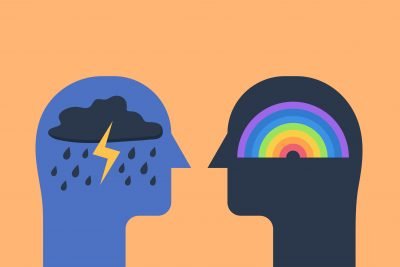
A Brief Overview Full Article Children and youth with intensive needs related to behavioral health may be eligible for services from a statewide program called…
-

Children’s Long-Term Inpatient Program (CLIP) Provides Residential Psychiatric Treatment
A Brief Overview CLIP serves children ages 5-17 by providing mental-health treatment and school in a secure, residential facility. Read on for more information about…
-

How to Prepare for a DDA Assessment
Here are tips for getting ready for an assessment with the Developmental Disabilities Administration (DDA), which is managed by the Washington State Department of Social…
-

Genetic Testing: Parents Face Many Choices
A Brief Overview Full Article Genetic testing can provide information about changes in chromosomes, genes, or proteins that might impact a person’s health, development, or…
-

Diabetes Care in Schools / School Action Plan
Kids spend half their day at school, which means it is incredibly important to have a well-thought-out diabetes management plan for the school day. Every…
-

Organize Your Child’s Medical and School Documents with a Care Notebook
A Care Notebook is an important tool for parents of children with special medical and school needs. This “notebook” might be a three-ring binder, an…
-

Things I Wish I Knew on Folic Acid
As a mom of a child with Spina Bifida there are a lot of things I wish I knew. Like I wish I knew I…
-

Emergency Preparedness for People with Disabilities
A Brief Overview: Full Article In any family, planning for an emergency is essential to reassuring the safety of all members. However, for families that…
-

Collaboration on Many Different Levels
This article was submitted by a parent that receives services from the Department of Services for the Blind (DSB) to share her experiences with other…
-

Positive Behavior Supports: Continuing the model at home and in the community
By: Dr. Vanessa Tucker, PhD., BCBA-D What is Positive Behavior Support? Positive Behavior Support (PBS) is a special education initiative that informs school districts, schools…


Youth
-

Supported Decision Making is an Option for Adults with Disabilities
A Brief Overview Full Article When a young person turns 18, most decisions are now up to them. In Washington State, age 18 is the…
-

Military Family Resources for Youth and Young Adults Transitioning from High School
The links below will help you find resources for employment or post-high school education in any state to which you may move. Directory-University Centers for…
-

Stay Stubborn! One Girl’s Self-Determination while Navigating Healthcare
By Kyann Flint Being stubborn is the right approach when it means self-determination. Having the drive to learn what you want and need and then…
-
COVID-19 and Disability: Access to Work has Changed
By Kyann Flint The world of work is generally not built for the disability community. Federal laws guarantee the right to work and the right…
-
My story: The Benefits of Working with Agencies like the Washington State Department of Services for the Blind
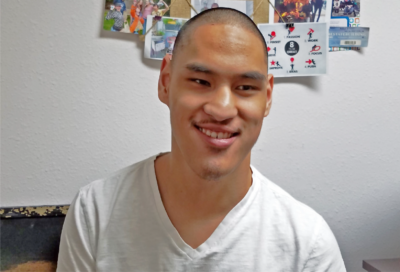
Getting a job right after I graduated was a very exciting and scary experience. Luckily, I had Washington State Department of Services for the Blind (DSB) staff…
-

Transition from Child Based to Adult Based Services in Behavioral Health
From Child to Adult Transition to adulthood is difficult for all young adults, but if you are a young adult who utilizes Behavioral Health or Substance…
-

So you’re at College…What Next?
Navigating the Higher Education Environment When You Live With Disability Research over the past 20 years indicates that a fairly high percentage of college students…