
A Brief Overview
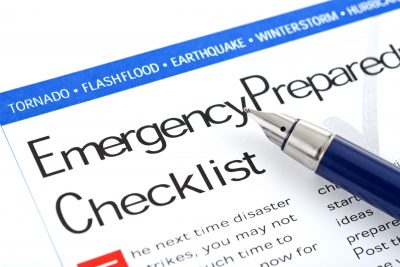
- All families prepare for emergencies, but extra planning is critical when a loved one has a disability.
- The Family-To Family Health Information Center provides Information about COVID-19 and updates about local, regional, and statewide healthcare policies and programs.
- Virginia Commonwealth University offers an Emergency Preparedness Tool Kit for People with Disabilities through its university center called Partnership for People with Disabilities. The downloadable, 29-page booklet includes checklists and resources.
- The Federal Emergency Management Agency (FEMA), an agency of the United States Department of Homeland Security, also provides a downloadable brochure: Preparing Makes Sense for People with Disabilities.
- Military families, each installation has a Comprehensive Emergency Management Plan (CEMP 10-12). Read on for links to specific military resources.
- This article includes a variety of resources and ideas about how to be informed and organized, with a disability-specific toolkit and emergency plans that are ready to roll if something unexpected does occur.
Full Article
COVID-19 has highlighted a need for emergency planning, and Washington State families might consider additional contingencies to plan for: winter snowstorms, flooding, wildfires, volcanoes, earthquakes…. The planning can alleviate stress and create a sense of confidence that a plan is in place for everyone’s safety if something unexpected does occur.
To be fully prepared, a family may need an emergency plan and a survival kit to support to a loved one with additional needs that are specific to a disability. Following are guidelines for getting organized and ready, with each person’s individualized needs in mind.
While building an emergency plan and toolkit, families may need to consider how to include tools and strategies for providing a sense of comfort and safety for individuals with anxiety, sensory needs, or behavioral challenges. A favorite blanket, stuffed toy, or noise cancelling headphones might be part of the kit. A handheld electronic device might provide a sense of normalcy; if one is included, be sure chargers or batteries are also part of the toolkit.
Gathering the toolkit ahead of time can enhance a sense of calm and save time when quick action is needed. Family to Family Health Information Center at PAVE has a page set up with tools and links around disability and special healthcare needs.
Be informed
Some disaster scenarios include sheltering in place, and others require movement to a safe location. The Red Cross provides information on a page titled Be Informed to help determine which types of emergencies are most likely in a designated community. Some areas are more prone to forest fires, floods or earthquakes, for example. Consider whether local public systems share information or alert the public if something is happening or about to happen. Will there be a telephone alert or a broadcasted siren? Will there be an emergency broadcast to tune in? The Emergency Alert System (EAS) includes a statewide list of radio stations that broadcast emergency alerts by area.
Consider whether there are shelters nearby, or an evacuation route. The Red Cross encourages people to download the agency’s mobile app to receive local alerts that can include emergency-specific instructions in real time. The agency also provides a page dedicated to disaster safety that takes a step-by-step approach for people with disabilities. Included are guidelines for creating a personal assessment and registering with a local emergency assistance program.
You can also download the FEMA app to get weather alerts from the National Weather Service for up to five different locations.
Make a plan
Create escape routes that are accessible to everyone within the household. Choose a meet-up spot after everyone has evacuated the home, property, or neighborhood. Consider accessibility based on the entire family’s needs: For example, will someone need to arrive at the meet-up spot by wheelchair? If someone will need a helper to evacuate, designate a helper and a back-up person to provide that support.
Tell emergency contacts about the family’s plan. Consider telling neighbors or nearby friends about where medications or mobility assistance devices (crutches, wheelchairs, walkers) are stored in case help is needed to get those things. The plan includes what may happen before, during and after a disaster.
The Red Cross provides a template for a 3-step plan, to be shared and verified with everyone who might be involved or recruited to help:
- All household members discuss how to prepare and respond to the types of emergencies most likely to happen where they live, learn, work and play.
- Identify responsibilities for each member of the household and plan a way to work as a team.
- Practice as many elements of the plan as possible.
Military Families
Military families may have unique and specific concerns. Each installation provides support for a Comprehensive Emergency Management Plan (CEMP 10-12). Additionally, families might seek assistance from the family support office through the Exceptional Family Member Program (EFMP) or a Family Resource Specialist (Coast Guard).
Here are additional places to seek information about emergency planning for military families: